

| Degree | Bachelor of Arts |
|---|---|
| Standard period of study | 7 semesters |
| Form of study | Full-time (part-time possible on application) |
| Start of studies | Winter semester |
| Application deadline | Deadlines and dates |
Professorship for Nursing Science
Social Sciences
+49 (0)681 58 67 - 665
dagmar.renaud@htwsaar.de
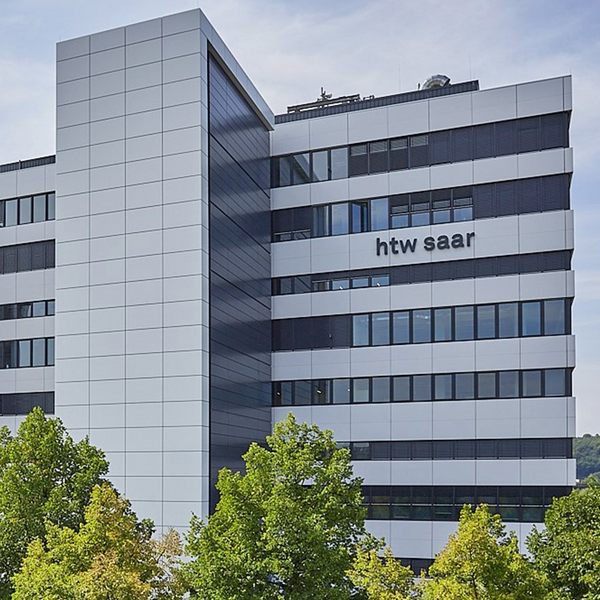
htw saar
House of Knowledge
Building 11
Malstatter Straße 17
+49 (0)681 5867 - 115
studierendenservice@htwsaar.de
htw saar
Haus des Wissens
Building 11
Malstatter Straße 17
66117 Saarbrücken
Room 11.01.17
+49 (0)681 5867 - 115
studierendenservice@htwsaar.de
htw saar
Haus des Wissens
Building 11
Malstatter Straße 17
66117 Saarbrücken
Room 11.01.17


